
Fox in the hen house? Whenever you think about predators of chickens, foxes have to be at the top of the list. As long as people have kept hens in enclosures, crafty Mr. Fox has been trying to get them. How do you know if you have a fox problem? Well, unlike other chicken predators, the fox tends to only leave behind feathers. The fox hunts 2 hours after sunset and 2 hours before sunrise. They are usually more active i n the Spring when they are trying to get food for their litters. But, they will attack throughout the year. They tend to kill more than they can eat but unlike the weasel, they don’t waste the food. They store it away in caches for a later meal. They are able to dig below and climb above which make them an even more formidable foe. Usually, a fox will take as many hens as it can carry off.
So, what is to be done? Well, as with so many other predatory threats, it is crucial to make sure that your coop is secured. No holes, no possible access points from above or below. Once the coop is secure, the final measure of protection is a natural deterrent such as wolf urine. Wolf urine? Really? Yes, the fox is genetically programmed to fear the wolf. There do not have to be wolves in the area and the fox never has to have been exposed to a wolf to exhibit the fear response.
So, confirm fox threat, secure the coop, create a perimeter with wolf urine and rest easy.
Until I find more words. . .The PeeMan
 Well, it is clearly drawn from the fact that in the natural world, there are few predators of a similar size that can wreak such havoc so quickly and create a scene among its hapless victims that would make even a horror fan cringe. It is not just that the weasel tends to viciously attack the head, neck or jugular of its prey but that it seems to at times be overcome with bloodlust and will often massacre anything within its immediate radius. The weasel often kills more than it can eat and leaves behind bloody, mutilated carcasses in its wake. Here are some other weasel facts:
 If birds are dead and not eaten, if multiple birds have been attacked at the jugular, head, and neck, internal organs have been eaten and/or eggs have been broken in at the ends, a member of the weasel family is probably to blame.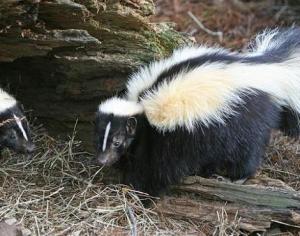
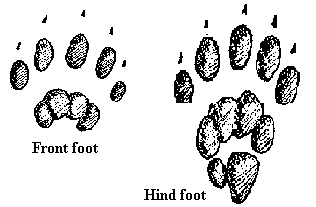 If you really want to be thorough, an examination of skunk scat will usually reveal lots of insect parts. If your coop has been subject to attack by a skunk, you would expect to find eggs opened up on one end and the contents consumed or if an actual bird were attacked the neck would be opened up and perhaps the head eaten.
 Rats are a nuisance, to say the least, and in the worst circumstances a great danger to chicks, eggs, even to hens themselves. The danger these rodents pose comes not only from direct attack and carnage but also from often disease ridden droppings that can remain a threat long after the actual rats have gone.
 The first predator we will look at will be the masked bandit commonly known as raccoon, or scientifically speaking- procyon loter. This omnivorous creature can range in size from 23.5 in. to 37.5 in. and 4 to 23 lbs. In the wild, the raccoon lives an average of 2-3 years. If near water, they like to eat frogs and crayfish and other aquatic treats. On land, they will grab mice, insects and most applicably to us tasty eggs and sometimes the poultry themselves.

 ok, so admittedly i don’t know much about koi. I stocked my pond with some salmon last year but drought killed them off, so I am far from an expert on raising fish. So, I am going to use information from others who know more about the popular ornamental carp. Apparently these fish can be pretty valuable:


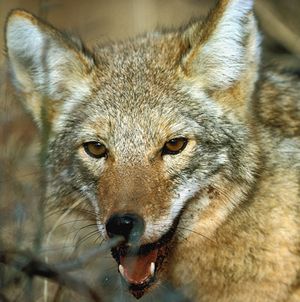 Ok, so they are breeding, steer clear, what’s the big deal? The big deal is that every day reports surface of coyotes attacking, maiming and even killing small dogs and other small domestic pets. Here are links to just a few stories from the past month:


 Words from The Peeman